As digital transformation and manufacturing automation continue to accelerate, automatic painting technology has become a key solution for manufacturers seeking to improve product quality, increase productivity, and optimize operational costs. By integrating industrial robots, automated spray painting systems, and intelligent control technologies, manufacturers can achieve consistent, durable, and high-quality coatings while building modern, safe, and environmentally friendly factories.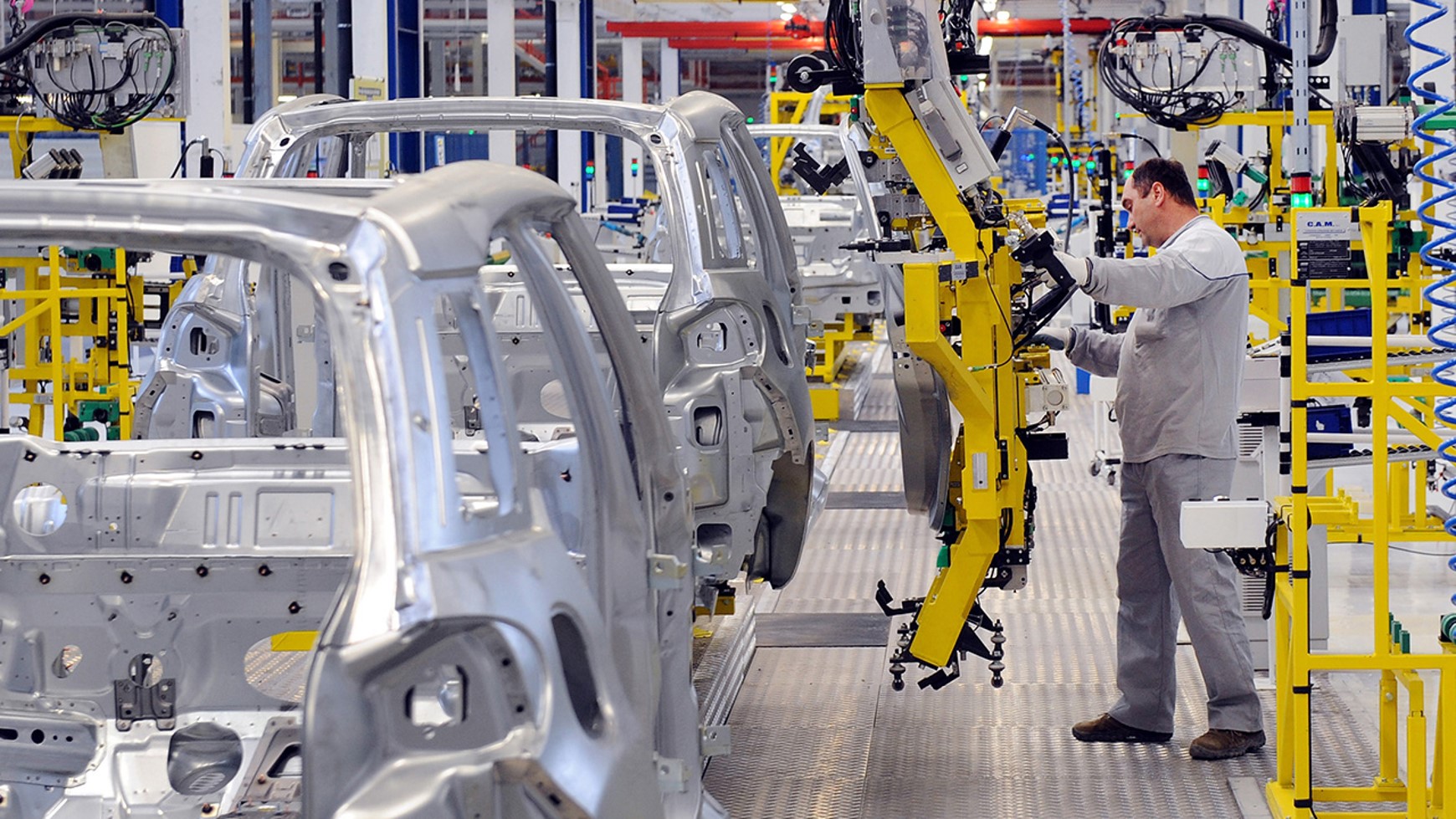
Automatic painting technology is an integrated system that automates the entire surface treatment and coating process, including surface preparation, paint application, curing, drying, and quality inspection. These systems are designed with flexible configurations to accommodate various materials and products across different manufacturing industries.
Compared to conventional manual painting methods, automated painting lines offer significant advantages, including:
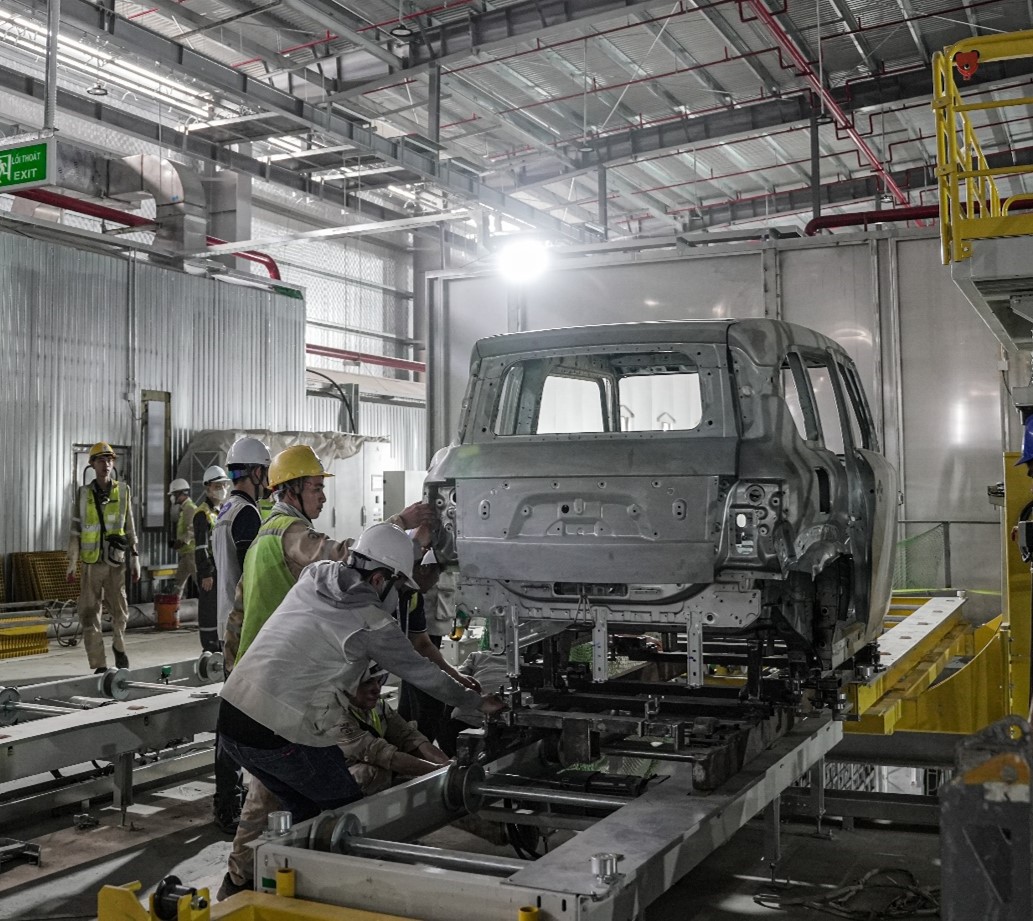
Depending on material characteristics, surface finish requirements, and production objectives, manufacturers can choose from various automatic painting technologies.
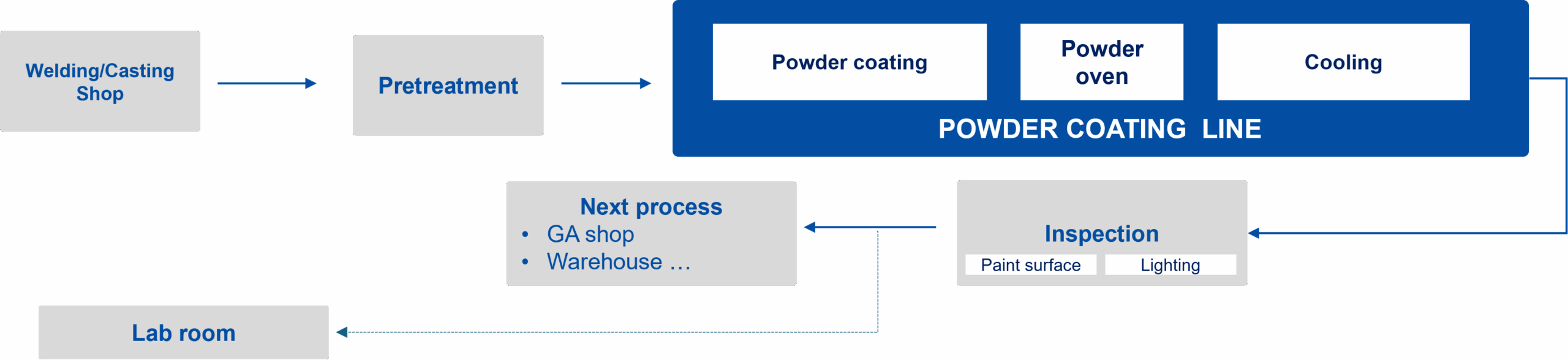
Powder coating is a process in which electrically charged dry powder is sprayed onto the workpiece using electrostatic force. The coated product is then cured in an oven, where the powder melts and forms a durable protective finish.
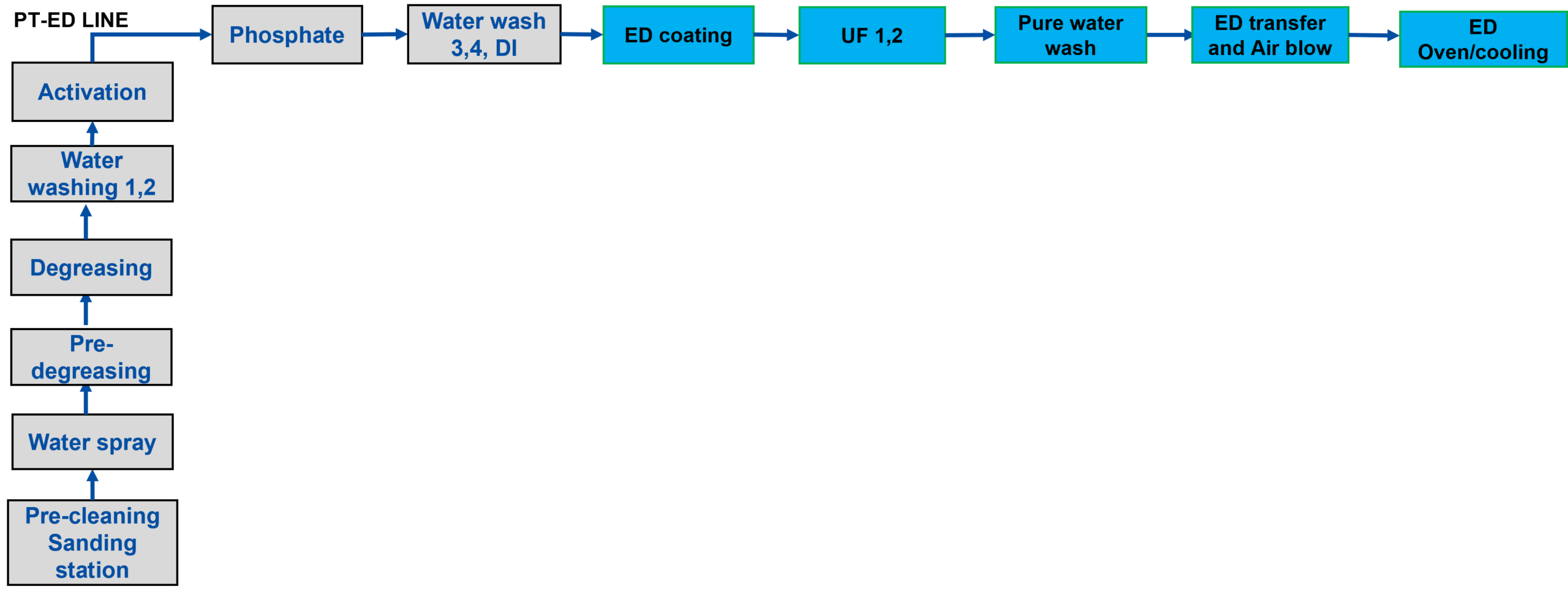
Electrodeposition (ED) coating is a painting process in which workpieces are immersed in a paint bath while an electric current deposits paint evenly across the entire surface. This technology ensures complete coverage, even in complex or hard-to-reach areas.
Pretreatment Stage
Coating Stage
Automatic liquid coating uses liquid paint together with automated spray systems or painting robots to create high-quality decorative finishes while meeting diverse color and surface appearance requirements.
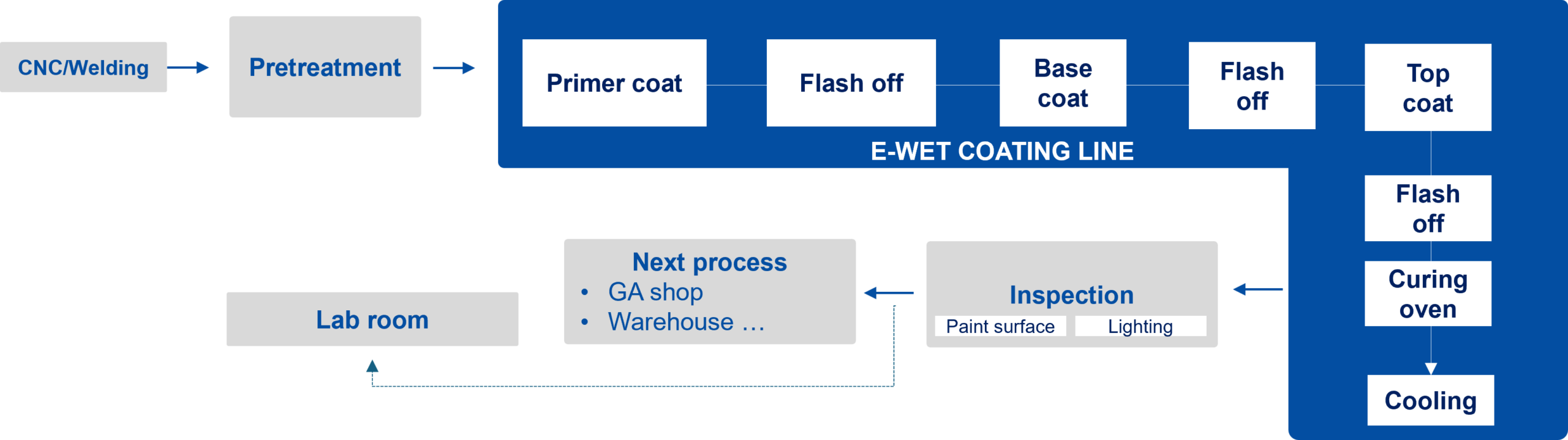
A modern automatic painting system typically consists of multiple integrated devices and technologies to ensure stable, continuous, and efficient production, including:
Integrating all equipment within a single production line improves operational efficiency, minimizes production errors, and ensures consistent product quality.
Industrial robots and automated systems operate continuously at high speed, significantly increasing production capacity and supporting large-scale manufacturing.
Precise paint control minimizes material waste, reduces labor costs, lowers defect rates, and optimizes long-term operating expenses.
Automated processes ensure uniform coating thickness, strong adhesion, and consistent quality across production batches, enhancing both product performance and value.
Automation minimizes workers’ direct exposure to paint chemicals and hazardous environments, reducing health risks and improving working conditions.
Modern painting systems optimize material usage, reduce solvent emissions, and help manufacturers comply with increasingly stringent environmental regulations.
With the rapid development of Industry 4.0, automatic painting systems are increasingly integrated with advanced technologies such as industrial robots, Artificial Intelligence (AI), Big Data, and centralized monitoring platforms.
These technologies enable manufacturers to monitor equipment performance in real time, optimize production processes, implement predictive maintenance, and improve overall production line management.
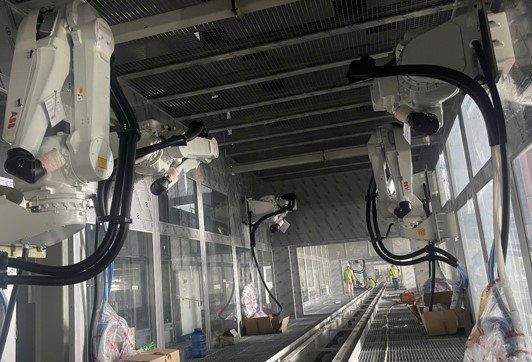
ETEK provides industrial automation solutions for painting applications, helping manufacturers build modern painting lines that improve productivity and enhance product quality.
Backed by extensive experience in system integration and strategic partnerships with leading technology providers such as ABB, Wagner, Graco, Siemens, Binks, and Dalmec, ETEK delivers customized solutions for a wide range of manufacturing industries. These solutions are designed to support automation, improve quality control, and maximize operational efficiency.
Beyond equipment supply, ETEK works closely with customers throughout every stage of the project—from consulting and system design to integration, installation, commissioning, and technology transfer—helping manufacturers develop smart, efficient, and sustainable factories.
As manufacturing continues to evolve, investing in automatic painting technology is becoming a strategic step toward improving competitiveness, reducing operating costs, enhancing product quality, and achieving long-term sustainable manufacturing.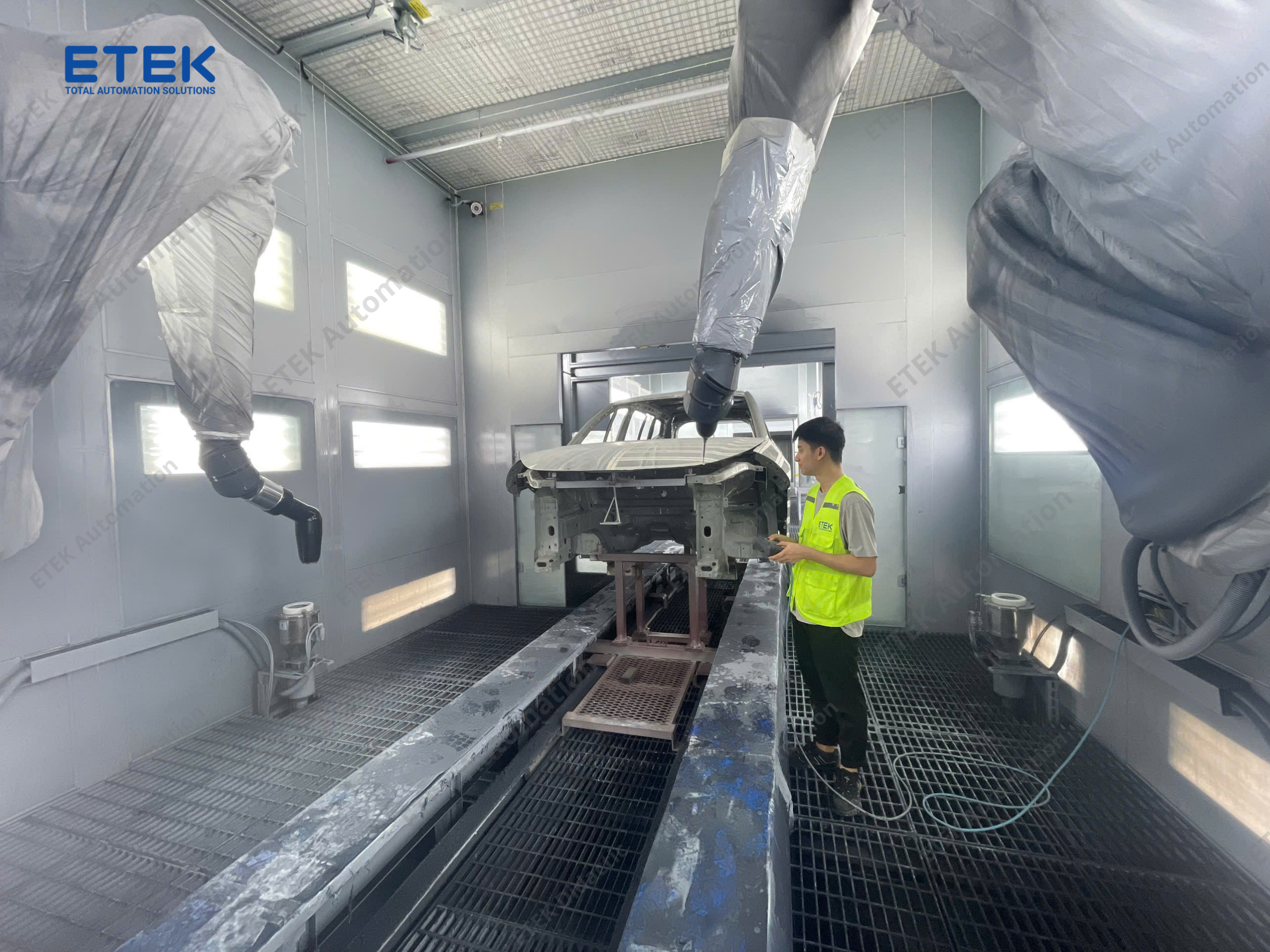
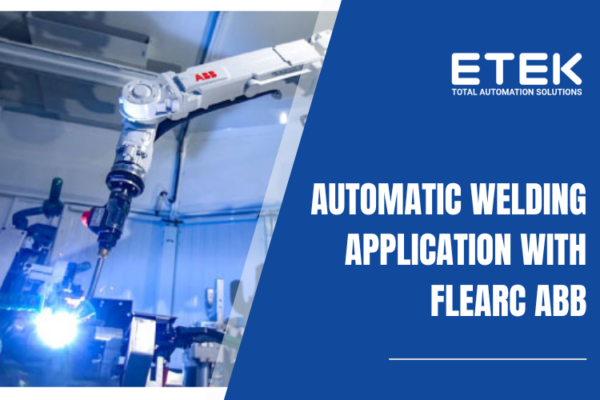
To maximize the flexibility of ABB's robotic welding cells, the automotive parts manufacturing plant quickly installed 27 FlexArc robots to respond faster to end customer needs while maintaining cost efficiency.…

What is Riveting Automation? To join parts together, in addition to methods such as screw fastening, welding, or adhesive bonding, people also use the riveting method in specific locations. Riveting…
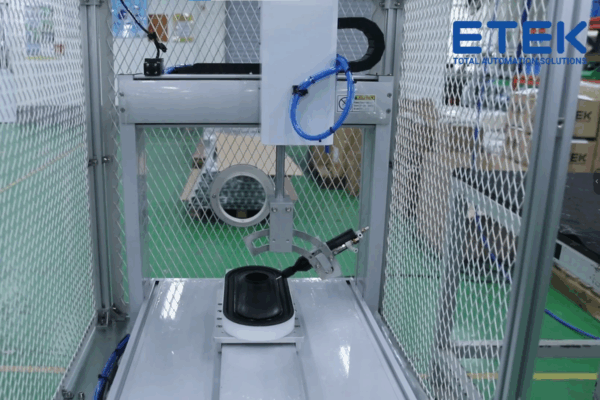
In modern industrial production, the gluing process is crucial for ensuring product quality, durability, and aesthetics. However, manual or semi-automatic methods often face limitations such as low precision, material waste,…
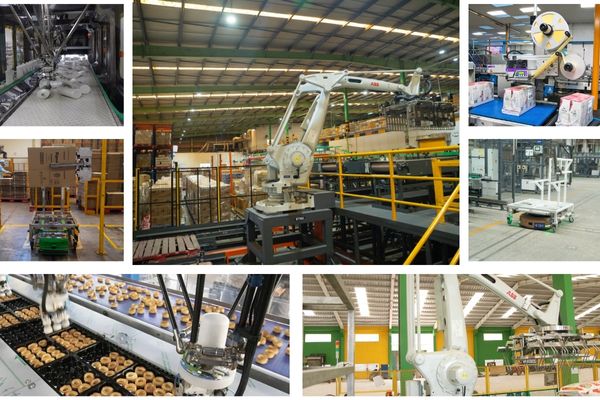
In modern manufacturing, packaging automation optimizes processes, enhances productivity, and reduces costs. Automated packaging systems handle tasks like filling, sealing, labeling, and palletizing with high precision and speed, making them…